
Submit a Question
Questions about LIGHT Boston or the LIGHT Lechmere competition? Please leave a question below. Questions will be accepted until a deadline to be determined. Answers will be consolidated and returned to all submitters by a deadline to be determined.
Q. Who is LIGHT Boston?
A. Please visit our website: lightboston.org
Q. Are entries allowed from design teams?
A. Yes! We encourage a collaborative effort. Entries from teams are welcome. The number of team members is not limited.
Q. Will this project be realized?
A. Yes, we are committed to having the design realized.
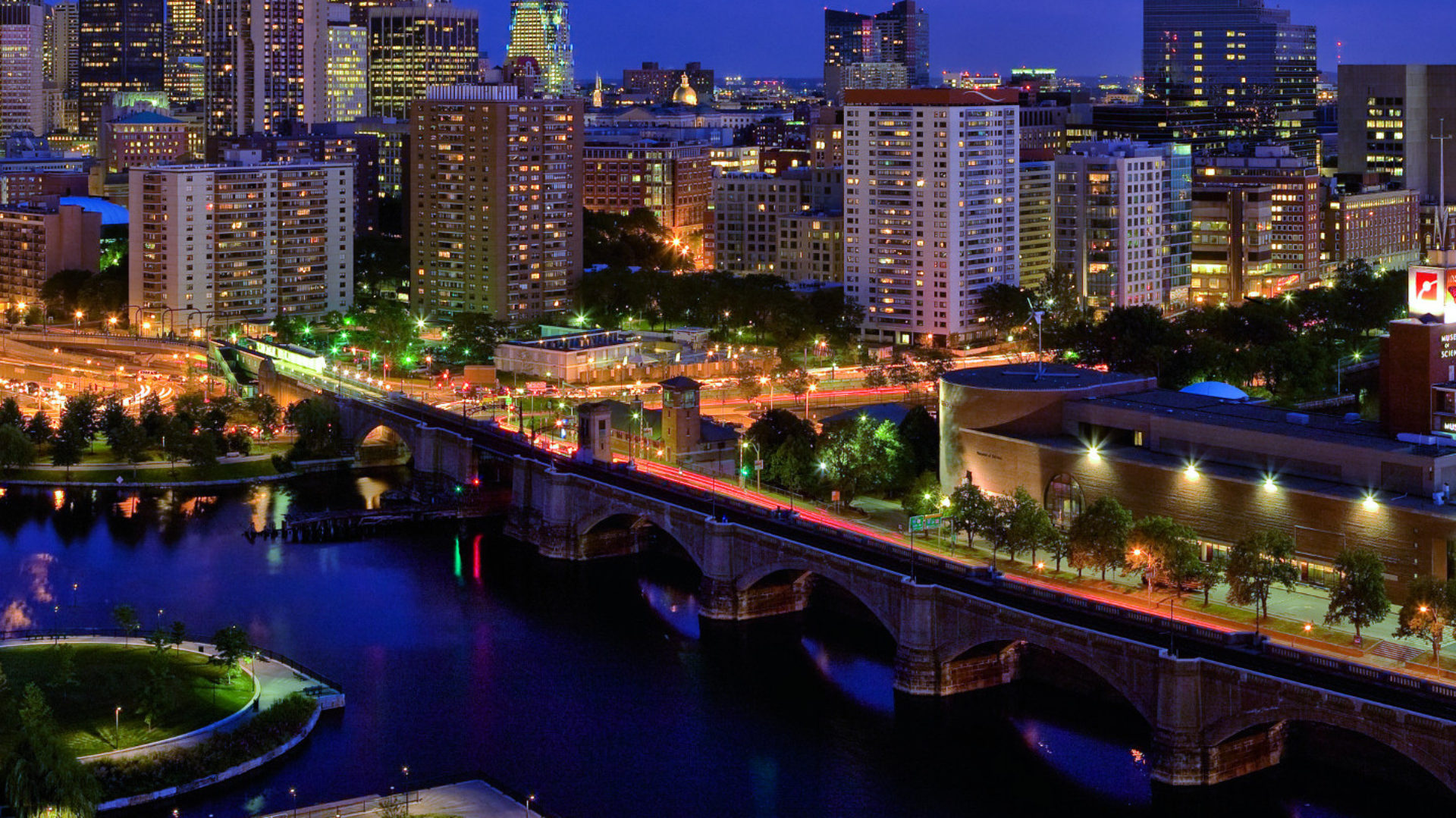
The LIGHT Lechmere competition began in concert with the MBTA (Massachusetts Bay Transportation Authority), which has been enthusiastic about adding the winning results of the competition to the current reconstruction of the Viaduct. Current separation of private funding from public bidding requires us to go only as far as the design competition at this point.
Our intent is to use the results of the competition to further increase public interest and demand through media, exhibition, and civic events for illuminating the Viaduct. LIGHT Boston’s long-range mission is to continue to improve the nighttime public realm. LIGHT Lechmere is a key part of that overall strategy.
Q. It says the deadline for questions is December 21 in one location on the website (in text) and December 28 in another location (in the bullet points). Can you please clarify which one is correct??
A. The deadline for registering for the competition (i.e., filing a competition application for the RFP) is December 21, 2019. The deadline for submitting questions pertaining to the RFP is December 28, 2019. All final competition submissions must be received by January 24, 2020.
Q. Regarding the 300-word narrative that should be included with submission, can you clarify if that needs to be on the 30” x 40” board or given on a separate sheet?
A. All explanations, titles, etc., including the 300-word narrative are to be incorporated onto the 30” high x 40” wide board (300 dpi resolution). No separate documents are acceptable.
Q. Is the 25MB file limit for the entire PDF/JPG submission or per file??
A. The submission should consist of one file (PDF or JPG format) that is no larger than 25MB in size. It should represent a 30″ high x 40″ wide board (300 dpi resolution) with all images and verbiage that the design team would like to provide to the judges. The only other file that may be optionally submitted is a video file that is no longer than 30 seconds in duration. The video file is not subject to the file size restriction.
Q. Is the optional video submission limited to one video file at 30 seconds maximum length?
A. Yes, the optional video file may not exceed 30 seconds in duration. It can contain multiple clips within that file, but the single video file that is submitted must be 30 seconds or less.
Q. Is the span over Charlestown Ave./Gilmore Bridge considered part of the viaduct span? Or is the viaduct span only considered between the “1910” engraving on each end?
A. The scope of the design competition is limited to the spans of the 1910 concrete viaduct (spans 1 through 12) and excludes the steel span over the public street to Charlestown, The drawbridge over the canal is to be included in the scope.
Q. There are some spaces under the bridge at each end that have the potential to be meeting points or gathering spaces. Is there potential for those spaces to be utilized for pedestrian or community purposes?
A. The limits of the competition are all 12 spans between the abutments. At the eastern end, Spans #1 and 2 are mostly roadways, which are part of Storrow Drive and a complicated traffic intersection. At the western end, Spans #9, 10, and 11 are over parkland. Span #12 is over Morrissey Boulevard, and probably not useful for public activity.
Q. Can additions to the present structure in the following formats be proposed?
a) constructional addition
b) prefabricated elements installed for the duration
c) elements of mediums other than lighting elements to be added to the overall installation for the purpose of creating the experience; for example, acrylic/glass, water, smoke, etc.
A. See below:
a) No.
b) No, unless they are part of the support system for the lighting.
c) Attachments other than for lighting are prohibited to the structure of the archway.
Q. Will the underside of the historic bridge of arches underside be clean? Right now there are some layers of fabric underside the arch from Google images?
A. The undersides of the arches will be clean; we do not believe any fabric or other material will be left hanging on the underside of the arches. There will be a coating of stabilizing material adhered to the surface of the structural elements.
Q. On what criteria will the projects be judged?
A. Lighting designers for the project awards will be selected anonymously on the basis of meeting the competition criteria and having demonstrably met the competition goals.
SCORING CRITERIA:
● DESIGN AESTHETICS (30 pts) – How well does the design concept invigorate and make more understandable the architecture and historical significance of the Lechmere Viaduct and its surroundings? Is it visually striking and pleasing, and does it support the needs of stakeholders (MBTA, pedestrians/commuters, abutters, boaters, etc.).
● DYNAMIC FLEXIBILITY (15 pts) – Boston and Cambridge have a long heritage and many events throughout the year that are held to celebrate different occasions. How well does the proposed design accommodate both more subdued daily life, and provide opportunities to be a part of public and private events held in the area?
● COMMUNITY ENGAGEMENT (15 pts) – the area around the Viaduct is rich with public spaces that are frequented by increasing numbers of residents, visitors, and corporations with continual traffic by foot, bicycle, train, and watercraft. Does the design proposal offer enhancements that appeal to multiple audiences?
● SUSTAINABILITY (20 pts) – is the design respectful of the environment (generally LEED criteria) and has the equipment been specified in a way that will ensure the installation will withstand the test of time. Note that “sustainability” in this context refers to both environmental sustainability, as well as longevity of the design to function successfully over an extended period.
● INSTALLATION & OPERATION (20 pts) – how easy is the design to install, operate and maintain? Does the project fall within the proposed budget?
● DISCRETIONARY JURY ALLOWANCE (up to 10 pts, makes a possible Grand Total of 110 pts) – has the design team taken a unique and innovative approach to meeting the goals of this project, showing exceptional creativity?